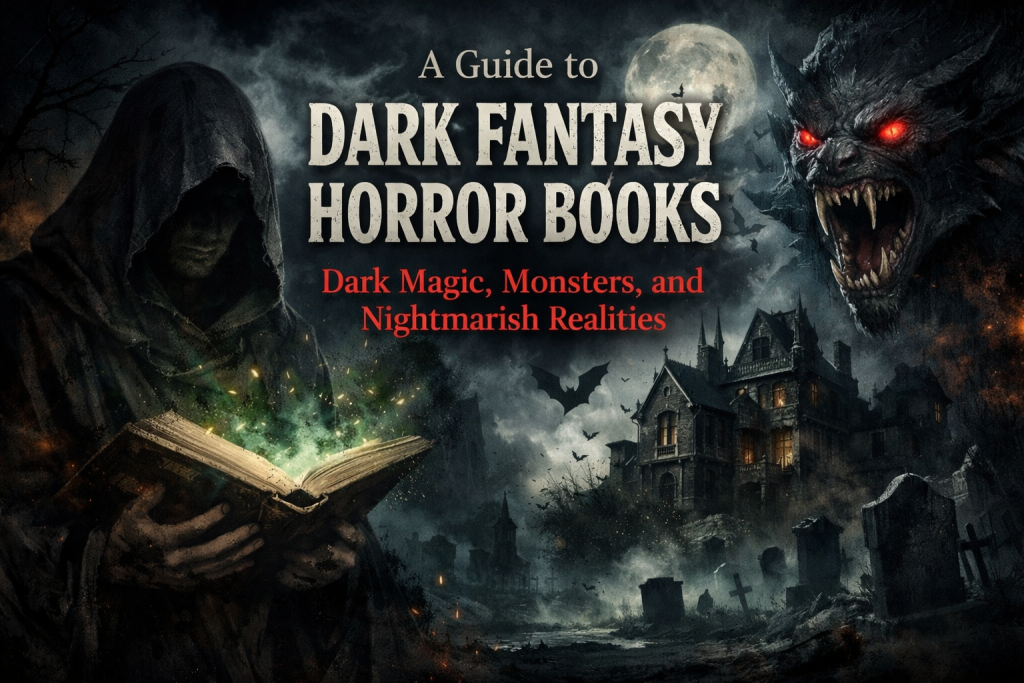
Dark fantasy horror books sit in an uncomfortable but compelling space between fear and wonder. They aren’t just about monsters lurking in the dark or magic gone wrong. They explore what happens when power has a cost, when the past refuses to stay buried, and when human emotion becomes as dangerous as any supernatural force.
This genre has grown quietly but steadily over the years, attracting readers who want more than jump scares. Dark fantasy horror books ask deeper questions: What would you sacrifice for power? What part of yourself would you lose to survive? And how much of the darkness is inherited rather than chosen?
What Defines Dark Fantasy Horror Books?
Dark fantasy horror books blend fantasy elements—magic, mythical beings, ancient bloodlines—with the emotional weight and psychological tension of horror. Unlike traditional fantasy, these stories don’t present magic as clean or heroic. Magic is flawed. It leaves scars. It demands payment.
Unlike pure horror, the fear here often builds slowly. It lives in atmosphere, memory, and consequence. The terror comes not only from creatures, but from inheritance, identity, and history repeating itself.
Readers are often drawn to these books because they feel grounded, even when the story is supernatural. The settings may be imaginary, but the emotions are painfully real: grief, loneliness, guilt, longing, and the fear of becoming something you don’t recognise.
Why Dark Fantasy Horror Resonates with Modern Readers
One reason dark fantasy horror books are so effective is that they reflect modern anxieties. We live in a time where identity, legacy, and generational trauma are openly discussed. These books mirror that reality through supernatural metaphors.
A cursed bloodline becomes a way to talk about inherited pain. A haunted house reflects unresolved grief. Monsters often symbolise suppressed emotions rather than external evil.
These stories don’t offer easy victories. Characters rarely “win” without losing something meaningful. That honesty resonates with readers who are tired of perfect heroes and neat endings.
Monsters with Meaning
In dark fantasy horror books, monsters aren’t just there to frighten. They often exist for a reason. Sometimes they are guardians of forgotten truths. Other times, they are born from human cruelty, fear, or neglect.
This gives the genre emotional depth. A creature lurking in the shadows might represent shame. A spirit tied to a location may symbolise unresolved history. The most unsettling monsters are often the ones that understand the protagonist better than anyone else.
This approach makes the fear linger. You don’t close the book and forget it. The story stays with you because it touches something personal.
Dark Magic and Its Consequences
Magic in dark fantasy horror books is rarely glamorous. It is old, quiet, and demanding. It comes from land, blood, or memory rather than spells shouted in battle.
The most powerful stories show magic as something that reshapes the user. Each use leaves a mark. Each choice narrows the path forward. This creates tension not through spectacle, but through consequence.
Readers are drawn to this honesty. It feels closer to real life, where every decision has a cost and power often arrives with responsibility rather than freedom.
Setting as a Living Presence
Location matters deeply in dark fantasy horror books. Isolated islands, ancient forests, ruined estates, and weather-beaten coastlines aren’t just backdrops. They are active participants in the story.
The land remembers. The walls listen. The past lingers in physical space.
This is especially powerful when stories are rooted in real places. Familiar geography mixed with supernatural elements makes the horror feel closer to home. The reader recognises the world, which makes the darkness feel more believable.
A Notable Example: The Last Heir of Skye by Lianne Ward
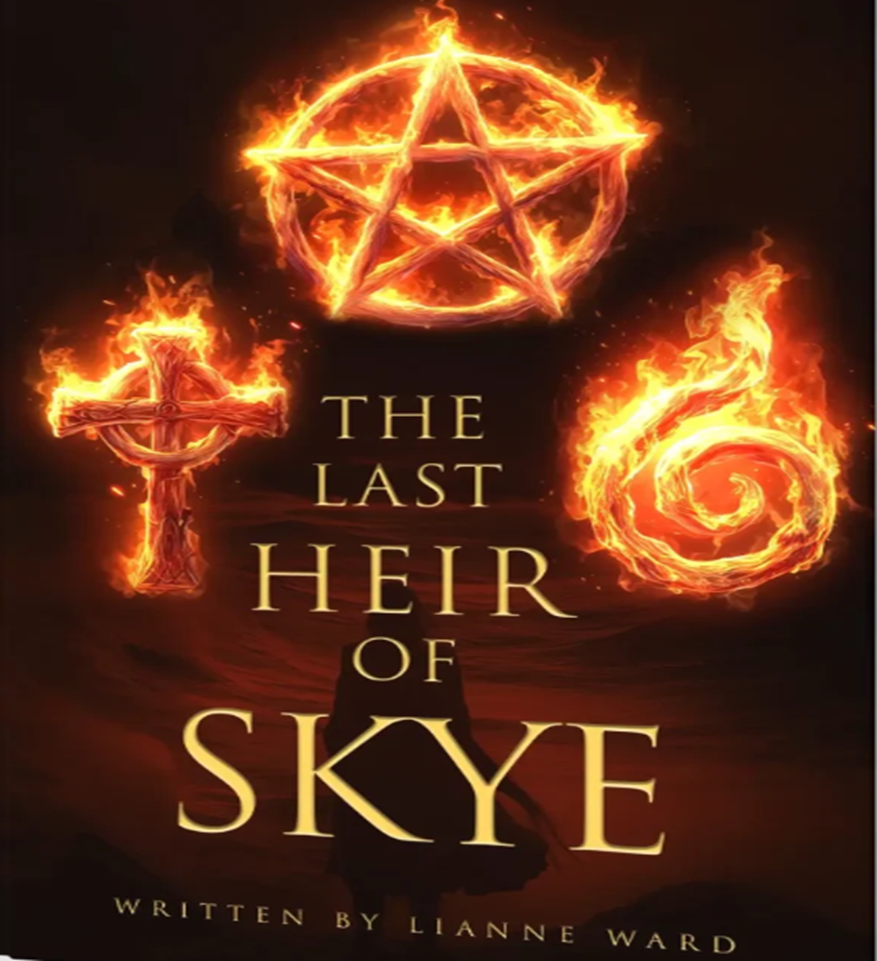
One recent addition to the dark fantasy horror tradition is The Last Heir of Skye by Lianne Ward. Set on the haunting Isle of Skye, the novel blends ancestral magic, grief, and supernatural presence in a way that feels intimate rather than dramatic. The story follows Eleanor Blackwood, a woman pulled back to a house she barely remembers, only to uncover a bloodline marked by old power and buried truths. What makes this book stand out is its emotional restraint. The horror is quiet, rooted in memory, identity, and inherited loss rather than spectacle. Magic emerges slowly, shaped by land and lineage, and the story reflects how the past can shape who we become, whether we want it to or not. For readers who appreciate dark fantasy horror books that focus on atmosphere, character, and legacy, this novel fits naturally within the genre.
Available on Amazon: https://amzn.eu/d/78Wc15o
Who Should Read Dark Fantasy Horror Books?
This genre appeals to readers who enjoy:
- Emotionally complex characters
- Slow-burn tension rather than constant action
- Stories where fear comes from meaning, not noise
- Supernatural elements grounded in human experience
If you enjoy gothic literature, psychological horror, or fantasy with moral weight, dark fantasy horror books offer a satisfying blend of all three.
Why the Genre Continues to Grow
Dark fantasy horror books continue to gain readers because they respect the audience. They don’t explain everything. They trust the reader to sit with discomfort, ambiguity, and unanswered questions.
In a world full of noise, these stories are quiet but powerful. They linger. They ask you to reflect rather than react.
They remind us that darkness isn’t always something external to be defeated. Sometimes, it’s something inherited, remembered, or slowly understood.
Final Thoughts
Dark fantasy horror books offer more than fear. They offer reflection. They turn magic into metaphor and monsters into mirrors. They ask what we carry from the past and what we choose to pass on.
For readers willing to sit with shadow and meaning, this genre delivers stories that stay long after the final page.